Explore Intelligent Translation Services for Individuals
How Artificial Intelligence Language Translation Is Transforming Multilingual Communication
You probably don't recognize how AI language translation is redefining the way we connect across cultures. With its capability to understand context and idioms, this technology is making conversations more fluid and more natural. Businesses are employing these tools to penetrate new markets, while individuals enjoy frictionless interactions. But what does this mean for the future of communication? The implications are deeper than you might think.
The Evolution of AI Language Translation Technologies
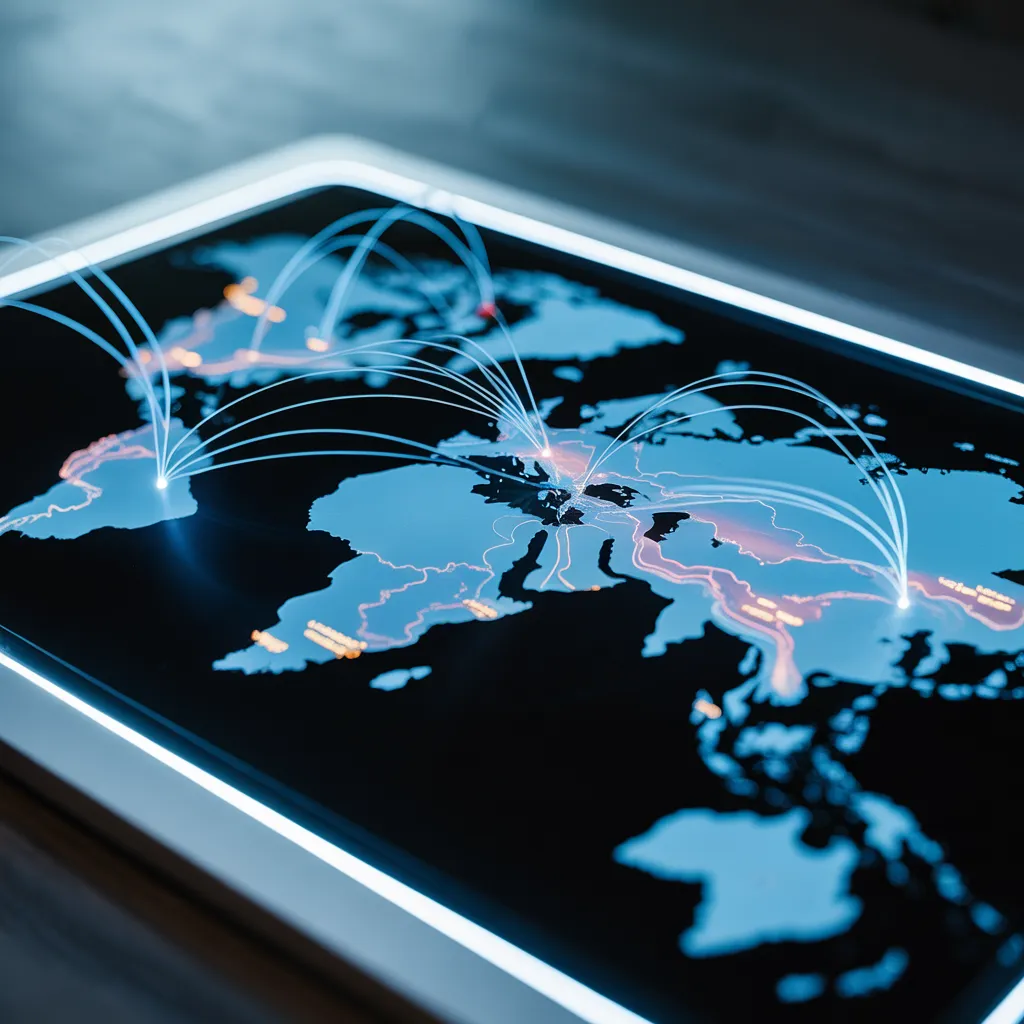
As global communication becomes increasingly essential, you may have seen the fast development of AI language translation technologies. These developments have changed how you communicate across language barriers, simplifying the process to connect with people worldwide. AI algorithms evaluate substantial amounts of data, understanding nuances and context that enhance your understanding of different languages. Solutions like real-time translation apps and browser extensions are becoming indispensable, permitting you to conduct conversations without hesitation. You can effortlessly translate written content, from emails to articles, broadening your access to information. With frequent updates, these technologies evolve to new dialects and slang, confirming your communication remains relevant. Adopting AI-driven translation tools empowers you to navigate the global landscape with assurance and simplicity.
How AI Enhances Accuracy in Language Translation
Although traditional translation approaches often struggle with context and nuance, AI substantially boosts accuracy by leveraging cutting-edge algorithms and machine learning. You'll observe that AI systems analyze vast amounts of language data, learning from numerous examples to understand nuances in meaning and tone. These tools can identify idiomatic expressions and cultural references that often trip up human translators. Furthermore, AI adapts to specific industries, ensuring that technical jargon or specialized vocabulary is accurately translated. This precision reduces misunderstandings and helps maintain the original message's intent. As you interact with multilingual content, you'll realize that AI-driven translations not only improve clarity but also foster meaningful connections across language barriers, improving your overall communication experience.
Instant Translation: Connecting People Across Languages Immediately
Envision having a discussion with an individual from a separate culture and not skipping a beat. With immediate translation, you can quickly understand and answer, making international exchanges smooth and fulfilling. This technology not only bridges communication distances but also cultivates deeper connections between communities.
Instantaneous Language Comprehension
Immediate language understanding transforms the way we communicate across cultures, permitting you to engage in detailed information conversations without the barrier of language. With artificial intelligence-based translation tools, you can effortlessly translate spoken or written copyright in real-time, bridging gaps that once seemed impossible to overcome. Imagine conversing with someone from halfway around the world, and instantly grasping their copyright and sentiments. This technology doesn't just translate text; it captures context, tone, and nuance, making interactions feel more natural and fluid. Whether you're traveling, conducting business, or making new friends, this capability empowers you to express yourself clearly and understand others better. You can participate actively in discussions, fostering connections that enhance your life and broaden your horizons.
Seamless Cross-Cultural Exchanges
When you navigate through diverse cultures, real-time translation technologies break down communication barriers, allowing for genuine connections. Picture engaging in conversation without the fear of misunderstanding. With AI-driven solutions at your fingertips, you can chat, share ideas, and laugh with people from around the world instantly. Whether you're traveling, working abroad, or collaborating with international teams, these tools make global interactions seamless. It becomes easier to express yourself and understand others, fostering deeper relationships. Plus, the ability to receive immediate translations encourages open dialogue, promoting cultural interaction and collaboration. Accepting these advancements not only strengthens your communication skills but also enriches your global experience, making every interaction purposeful and lasting. Engage with this world of connection and watch your horizons expand.
AI-Powered Language Translation and Cultural Differences
During the translation process, one cannot disregard the impact of regional language variations and cultural nuances. These factors determine how messages are understood and can alter their meaning entirely. We'll examine how AI can navigate these intricacies to enhance communication.
Comprehending Local Dialects
Understanding local dialects is essential for effective communication, most notably in our progressively interconnected world. When you utilize AI language translation tools, you'll notice that they can adapt to regional phrases and expressions, making conversations feel more natural. These tools learn from vast amounts of data, including slang and idioms specific to specific areas. This means you can connect better with locals, demonstrating respect for their culture and language. However, bear in mind that while AI is advancing, it might still face challenges with some subtle nuances. By being aware of local dialects, you'll improve your communication, making it richer and more meaningful. Embrace these advancements and experience the deeper connections they can cultivate.
Cultural Context Within Translation
Local dialects provide a foundation for effective communication, but cultural context is what genuinely enhances translation. You might believe that copyright alone convey meaning, but cultural nuances shape how those copyright resonate. When utilizing AI for translation, it's crucial to factor in idiomatic expressions, humor, and local traditions. A phrase that works in one culture may fall flat or even offend in another. By integrating cultural context, AI can help you sidestep misunderstandings and confirm your message is appropriate and engaging. This understanding strengthens connections between speakers of different languages, fostering deeper interactions. As AI evolves, its ability to comprehend cultural subtleties will only enhance, enhancing your multilingual communication experiences even further.
How Businesses Harness AI Language Translation for International Growth
In our current worldwide market, businesses are utilizing AI language translation to break down communication barriers and engage new audiences. You can conveniently translate marketing materials, websites, and customer support communications into multiple languages, making certain your brand resonates with diverse populations. This technology enables real-time translations, enabling you to engage with clients and partners immediately, no matter their language. AI translation tools also assist you in customize your content to align with cultural nuances, increasing engagement and building trust. By implementing these solutions, you aren't simply expanding your reach; you're likewise improving customer experiences. Eventually, using AI language translation can provide your business a competitive edge, allowing you to thrive in international markets while fostering meaningful connections.
Primary Challenges Impacting AI Translation Systems
Even though AI translation tools have changed communication, they continue to face substantial challenges that can impede their effectiveness. One key issue is the nuance of language; idioms, cultural references, and context can often become lost in translation. You may find that certain phrases don't carry the same meaning in another language, resulting in misunderstandings. Moreover, the lack of reliable training data for less common languages can result in inaccurate translations. There is also a challenge in maintaining consistency across different translations, especially in large projects. Moreover, privacy concerns emerge when sensitive information is processed by AI systems. All these factors work together to underscore the need for ongoing improvements in AI translation tools to make certain they meet your communication needs effectively.
AI's Role in the Future of Multilingual Communication
Since AI translation technologies continue to evolve, the future of multilingual communication seems promising. You'll see that real-time translation will soon break down language barriers, enabling seamless conversations across the globe. Picture chatting with someone in a different language without hesitation, thanks to AI's ability to translate with precision and speed.
In addition, context-aware translations will boost understanding, maintaining cultural nuances that standard methods often overlook. You'll also see developments in vocal identification and natural language processing, making spoken communication more seamless than ever.
As companies grow globally, these solutions will be vital for successful teamwork and client interaction. In this future, communication across languages will go beyond being feasible; it will be frictionless, cultivating international bonds as never seen before.
Common Questions
How Does AI Deal With Dialects and Regional Language Variations?
AI analyzes extensive language data, recognizing dialects and regional variations. It tailors translations by acquiring nuances, slang, and cultural context, ensuring you receive accurate, relevant communications that appeal to your audience's unique linguistic background.
Is It Possible for AI Translation to Completely Replace Human Translators?
Human translators cannot be entirely replaced by AI translation. Though it's fast, it misses the cultural subtleties and emotional depth that only humans offer. Human expertise remains essential for subtle, context-heavy communication.
Which Languages Are Translated Most Precisely by AI?
Machine translation processes languages for example Spanish, French, and German with the best precision. It's evident that major languages that have large datasets yield better results, while less widely spoken languages might have trouble with nuances and context in translation.
What Is the Security Level of Data Managed by AI Translation Platforms?
Data processed by AI translation tools can have varying levels of security. While numerous services employ encryption and privacy measures, you should always examine their policies to confirm your information remains confidential and secure during translations.
Does AI Have Limitations in Understanding Idiomatic Expressions?
Certainly, there are constraints. AI has difficulty with idiomatic expressions because they often don't translate literally. You'll notice that fine cultural nuances and context can cause misunderstandings, making human translators crucial for reliable communication.